Are there different types of carbide?**
**Introduction
Carbide is a compound composed of carbon and another element, usually a metal or a metalloid. It is known for its high hardness and resistance to wear, making it widely used in various industries. But are there different types of carbide? The answer is yes! In this article, we will explore the various types of carbide and their properties.
Types of Carbide**
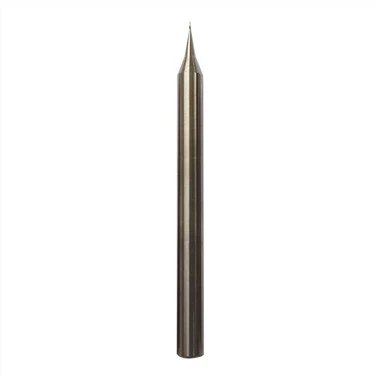
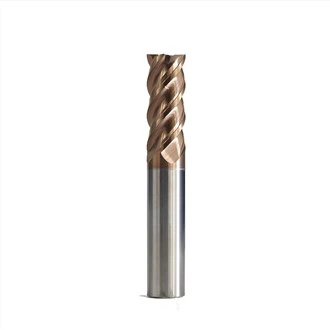
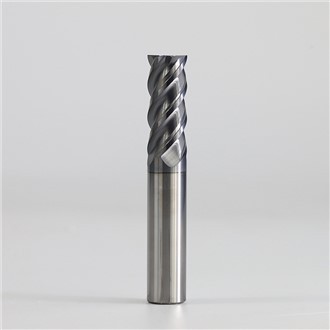
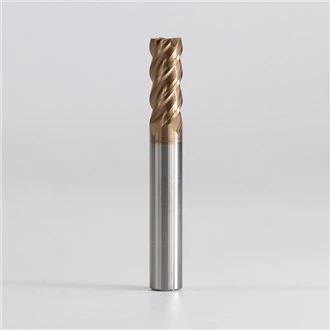
1. **Tungsten Carbide (WC): Tungsten carbide is one of the most commonly used carbides. It is known for its extreme hardness and is often used in cutting tools, such as drills and milling cutters. Tungsten carbide is a compound of tungsten and carbon, with a chemical formula WC. It has a melting point of around 2,870°C and a high density. Tungsten carbide is also used in the production of armor-piercing ammunition and jewelry.
2. Titanium Carbide (TiC): Titanium carbide is another widely used carbide. It is known for its high melting point and excellent chemical stability. Titanium carbide is used in the production of cutting tools, such as end mills and inserts, as well as wear-resistant coatings. It has a chemical formula TiC and a melting point of around 3,160°C. Titanium carbide is also used in the aerospace industry due to its high strength and light weight.
3. Silicon Carbide (SiC): Silicon carbide is a compound of silicon and carbon. It is known for its extreme hardness and thermal conductivity. Silicon carbide is used in the production of abrasives, such as grinding wheels, as well as refractory materials and ceramics. It has a chemical formula SiC and a melting point of around 2,730°C. Silicon carbide is also used in electronic devices due to its semiconducting properties.
4. Boron Carbide (B4C): Boron carbide is one of the hardest known materials. It is used in the production of armor plating, as well as cutting tools and abrasives. Boron carbide has a chemical formula B4C and a melting point of around 2,350°C. It is also lightweight and has excellent neutron-absorbing properties, making it suitable for nuclear applications.
5. Calcium Carbide (CaC2): Calcium carbide is a compound of calcium and carbon. It is mainly used in the production of acetylene gas, which has various industrial applications, including welding and metal cutting. Calcium carbide has a chemical formula CaC2 and a melting point of around 2,200°C. It is also used in the production of calcium cyanamide, a nitrogen fertilizer.
6. Beryllium Carbide (Be2C): Beryllium carbide is a compound of beryllium and carbon. It is known for its high melting point and exceptional hardness. Beryllium carbide is used in the production of nuclear reactor moderators, as well as in the aerospace industry. It has a chemical formula Be2C and a melting point of around 2,200°C.
Properties of Carbides
Carbides, in general, have several properties that make them suitable for various applications. Some of these properties include:
1. Hardness: Carbides, such as tungsten carbide and boron carbide, are extremely hard materials. They have a high resistance to wear and can withstand high temperatures and pressures.
2. Thermal Conductivity: Silicon carbide and boron carbide are known for their excellent thermal conductivity. This property makes them suitable for use in high-temperature applications, such as heat exchangers and refractory linings.
3. Chemical Stability: Carbides, like titanium carbide, exhibit excellent chemical stability. They are resistant to corrosion and can withstand exposure to harsh environments without degradation.
4. Electrical Conductivity: Some carbides, such as silicon carbide, have semiconducting properties. This makes them useful for electronic devices, such as high-power diodes and transistors.
5. Density: Carbides, like tungsten carbide, have a high density. This property contributes to their wear resistance and makes them suitable for use in high-impact applications.
Applications of Carbides
Carbides find applications in various industries due to their unique properties. Some of the applications include:
1. Cutting Tools: Carbides, such as tungsten carbide and titanium carbide, are widely used in the production of cutting tools. They have excellent hardness and wear resistance, making them suitable for machining operations.
2. Abrasives: Silicon carbide and boron carbide are commonly used as abrasives. They are used in grinding wheels, sandpapers, and polishing compounds to remove material and provide a smooth finish.
3. Armor: Boron carbide and beryllium carbide are used in the production of armor plating due to their exceptional hardness and lightweight properties. They provide protection against high-velocity projectiles and are used in personal and vehicle armor.
4. Refractory Materials: Carbides, such as silicon carbide, exhibit high thermal conductivity and can withstand high temperatures. They are used in the production of refractory materials, which are used to line high-temperature furnaces and kilns.
5. Nuclear Applications: Beryllium carbide is used as a neutron moderator in nuclear reactors. It helps control the rate of nuclear fission and is essential in ensuring the safety and efficiency of nuclear power plants.
6. Electronic Devices: Silicon carbide is used in the production of electronic devices, such as high-power diodes and transistors. Its wide bandgap and high-temperature stability make it suitable for high-power and high-temperature applications.
Conclusion
In conclusion, there are indeed different types of carbide, each with its own unique properties and applications. Tungsten carbide, titanium carbide, silicon carbide, boron carbide, calcium carbide, and beryllium carbide are some of the commonly known carbides. These carbides find applications in cutting tools, abrasives, armor, refractory materials, nuclear applications, and electronic devices. Their hardness, thermal conductivity, chemical stability, and other properties make them essential in various industries. The study and utilization of carbides continue to advance, leading to new discoveries and applications in the world of materials science.